
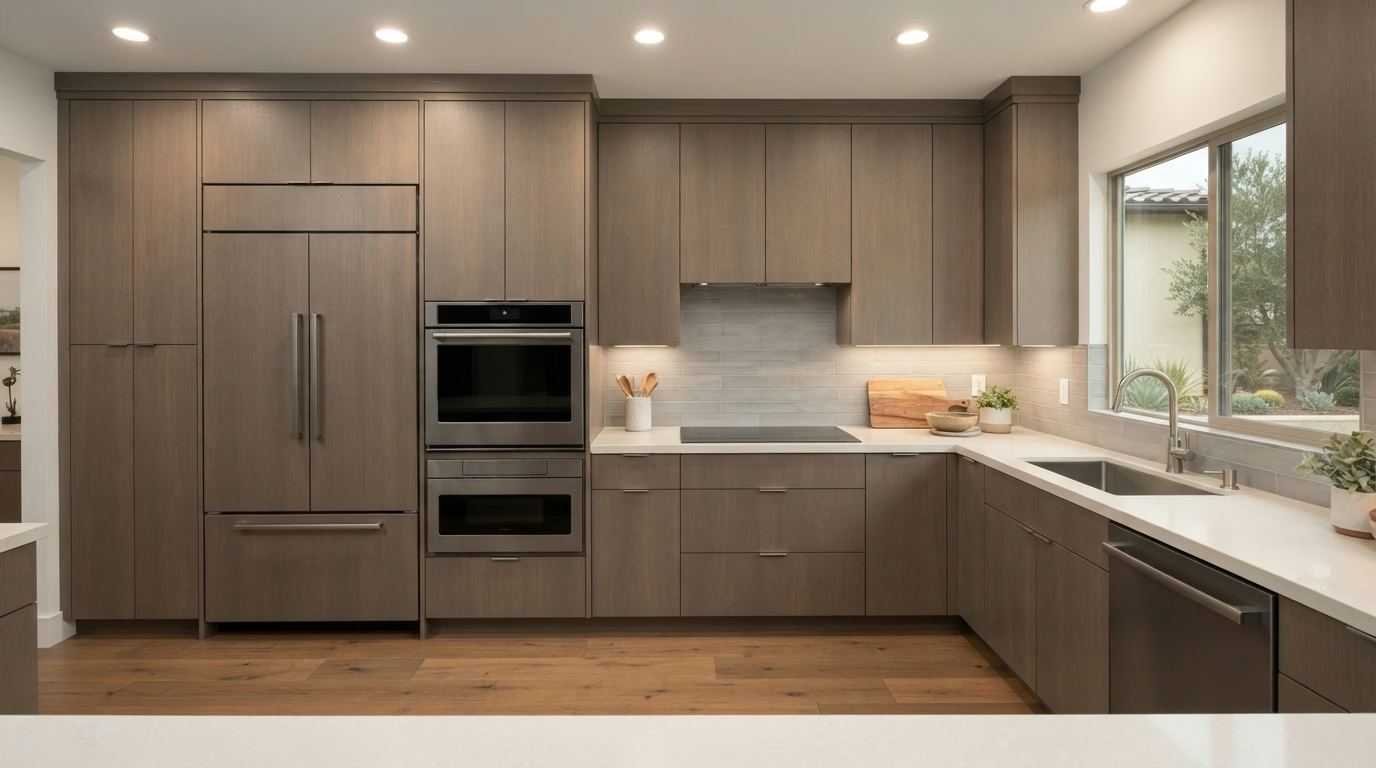
Kitchen Appliance Installation in Orange County
Range, oven, refrigerator, dishwasher, and range hood installation handled by licensed trades across Orange County.
What Installation Includes
What Does A Proper Kitchen Appliance Installation Actually Include?
Installing a kitchen appliance is more than sliding a box into an opening. It means confirming gas line pressure, checking electrical circuit capacity, and making sure ventilation actually exhausts to the outside.
A rushed appliance install can trip breakers, leave gas connections unsafe, or damage cabinetry that wasn't built for the new unit's dimensions.
Tell us which appliances you're installing or replacing, and a licensed technician will confirm what your kitchen needs before delivery day.
Get Your Free Appliance Install Estimate
Tell us about your appliance installation. A local project manager replies within one business day.
Appliance Service Options
Kitchen Appliances Services
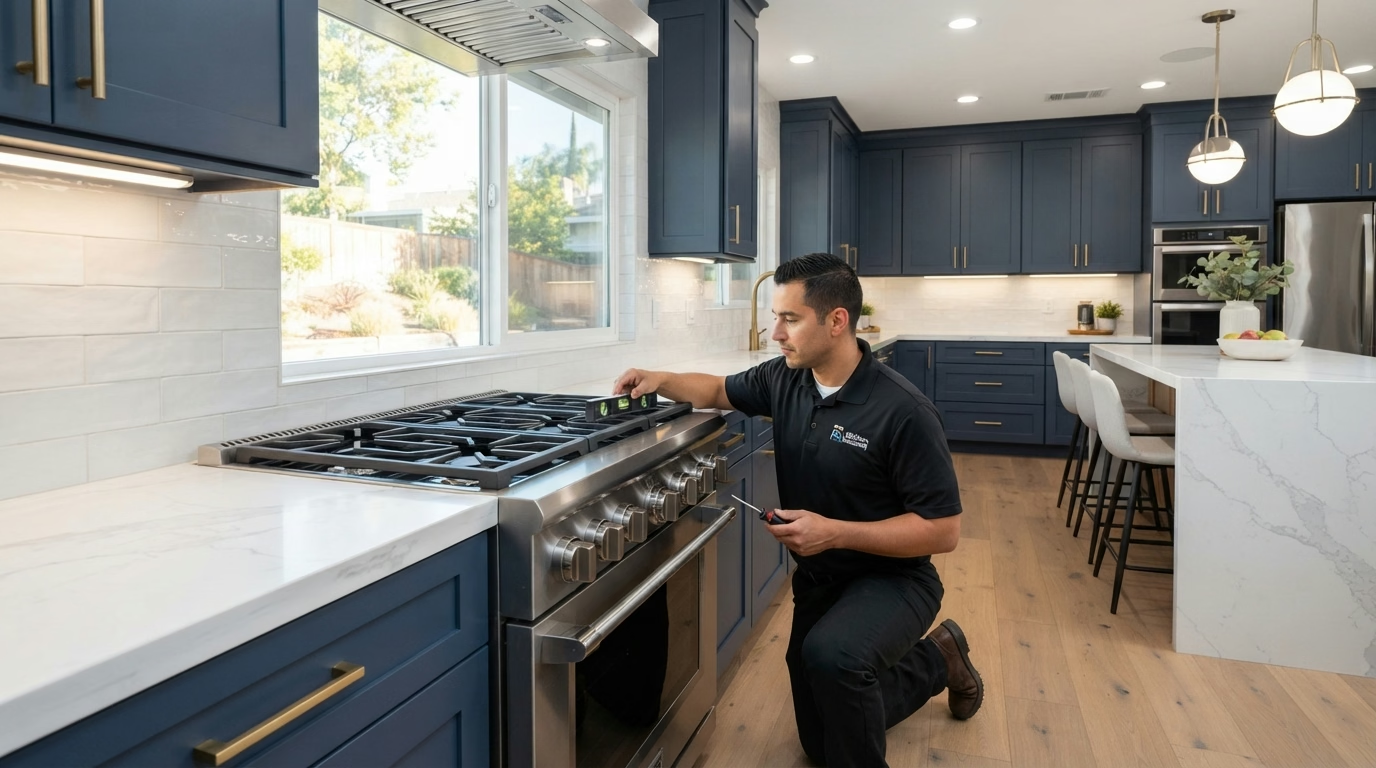
Range & Cooktop Installation
gas or electric hookup, leveling and anti-tip securing.
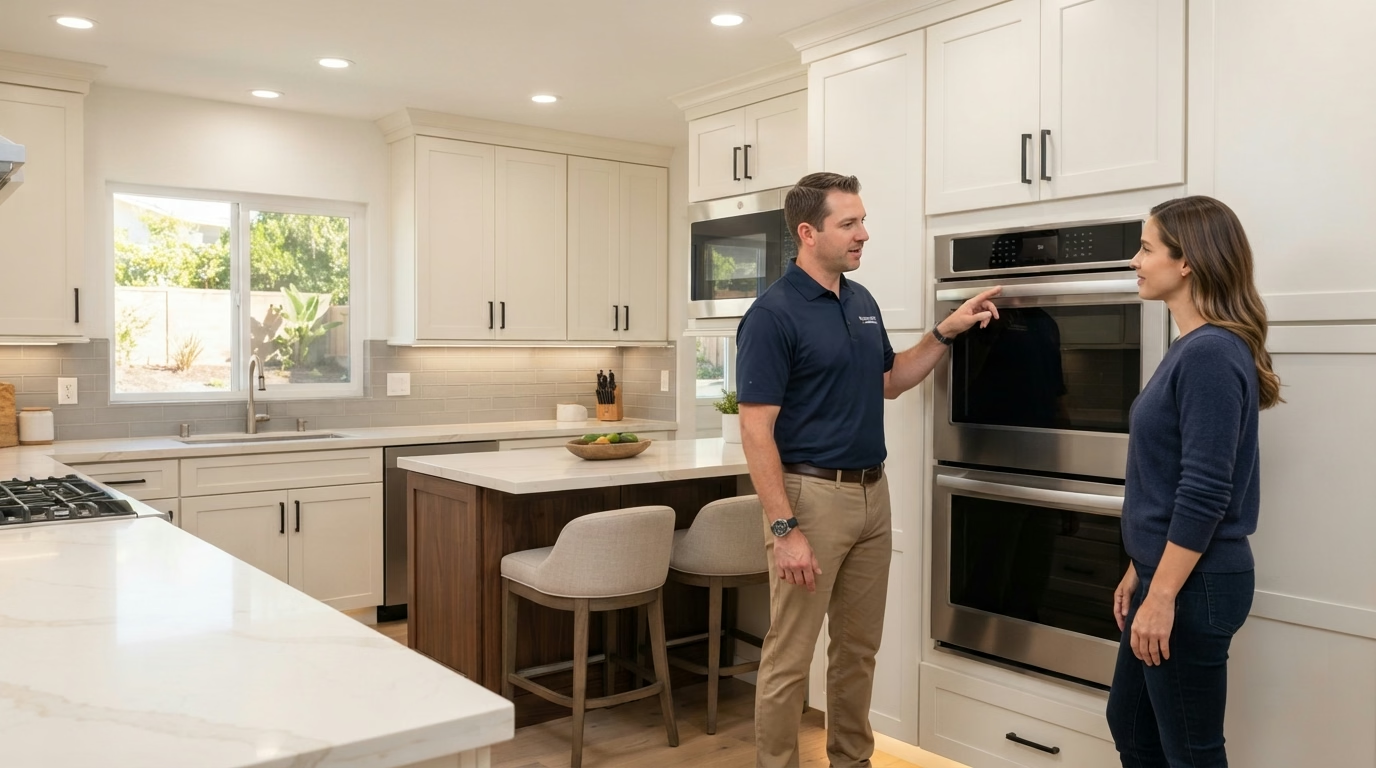
Wall Oven Installation
secure cabinet mounting and the correct power circuit.

Refrigerator Installation
water line hookup for ice makers and dispensers, plus door-swing clearance.
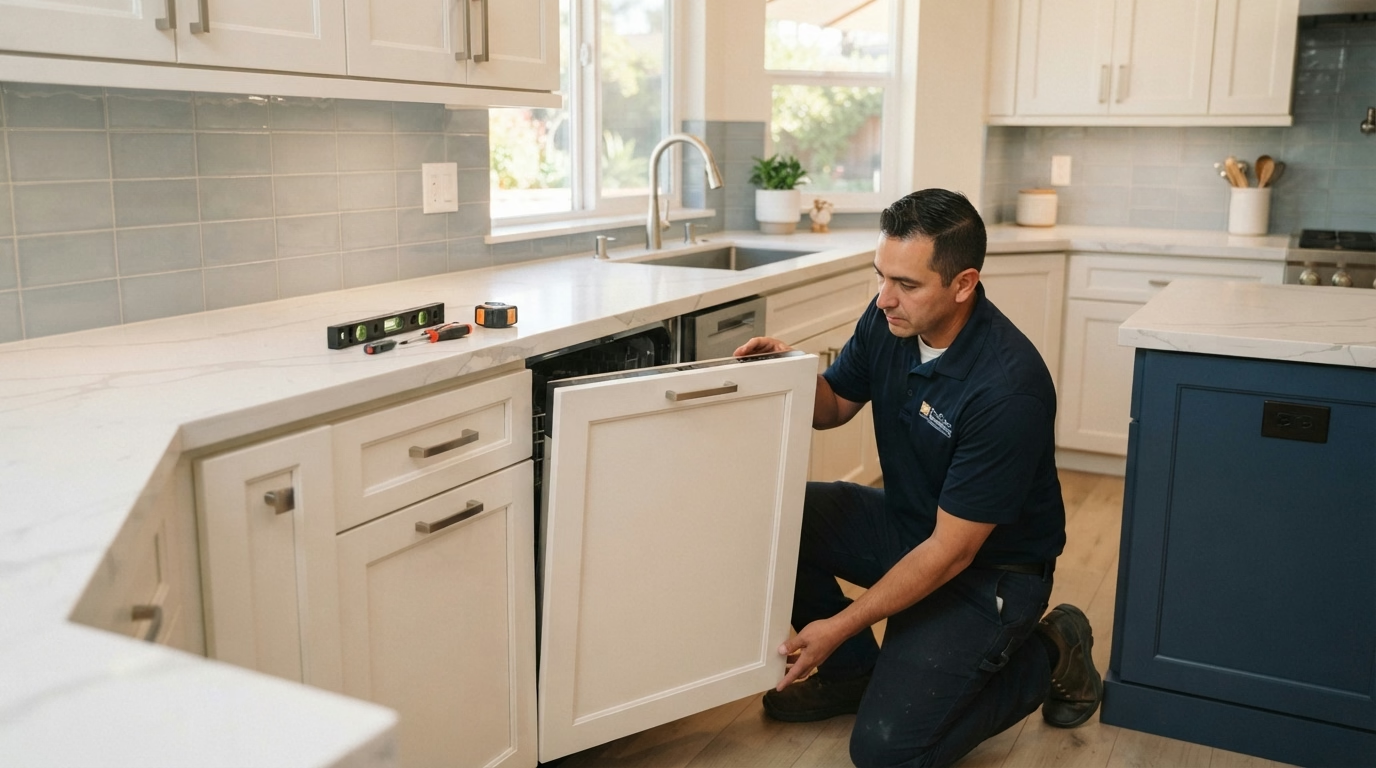
Dishwasher Installation
water supply, drain connection and secure under-counter mounting.
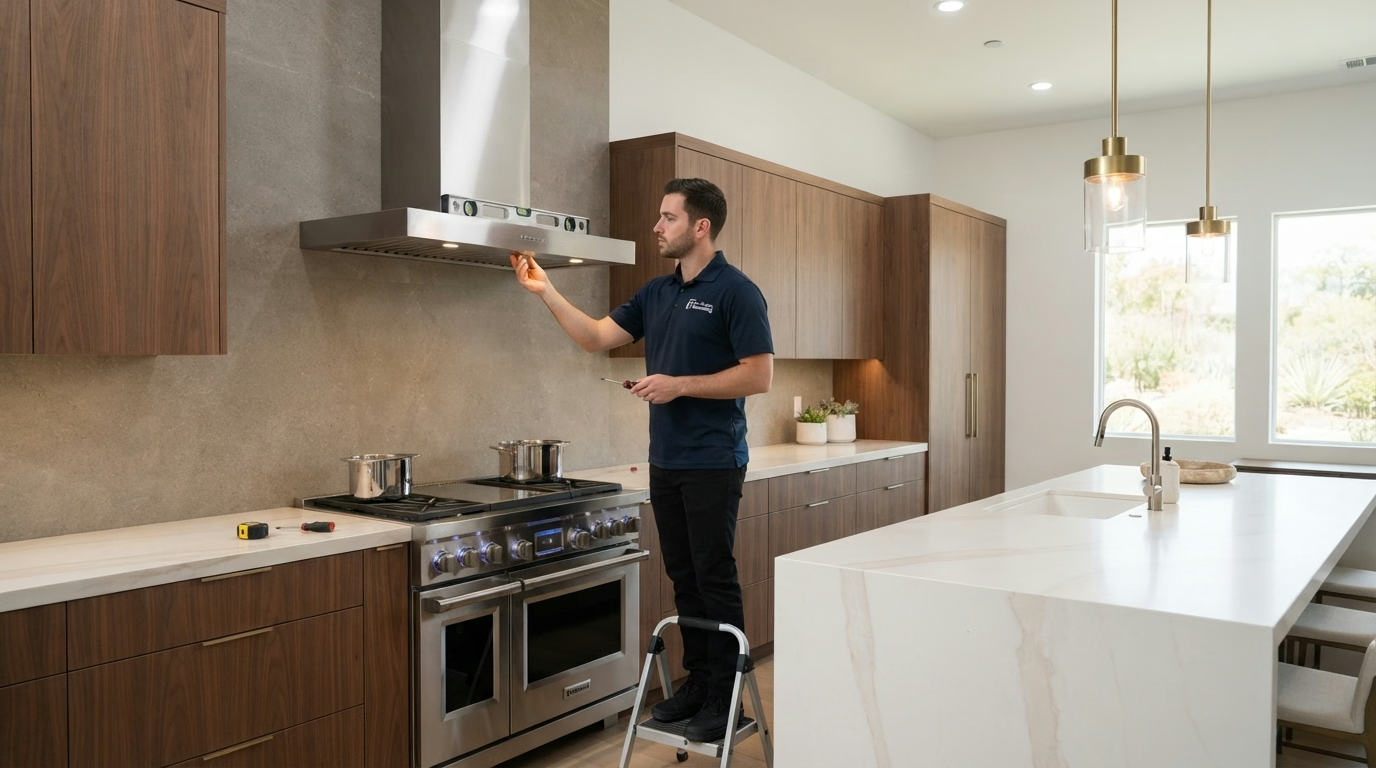
Range Hood & Ventilation
ductwork that vents to the outdoors.

Microwave Installation
over-the-range and built-in mounting with proper venting.
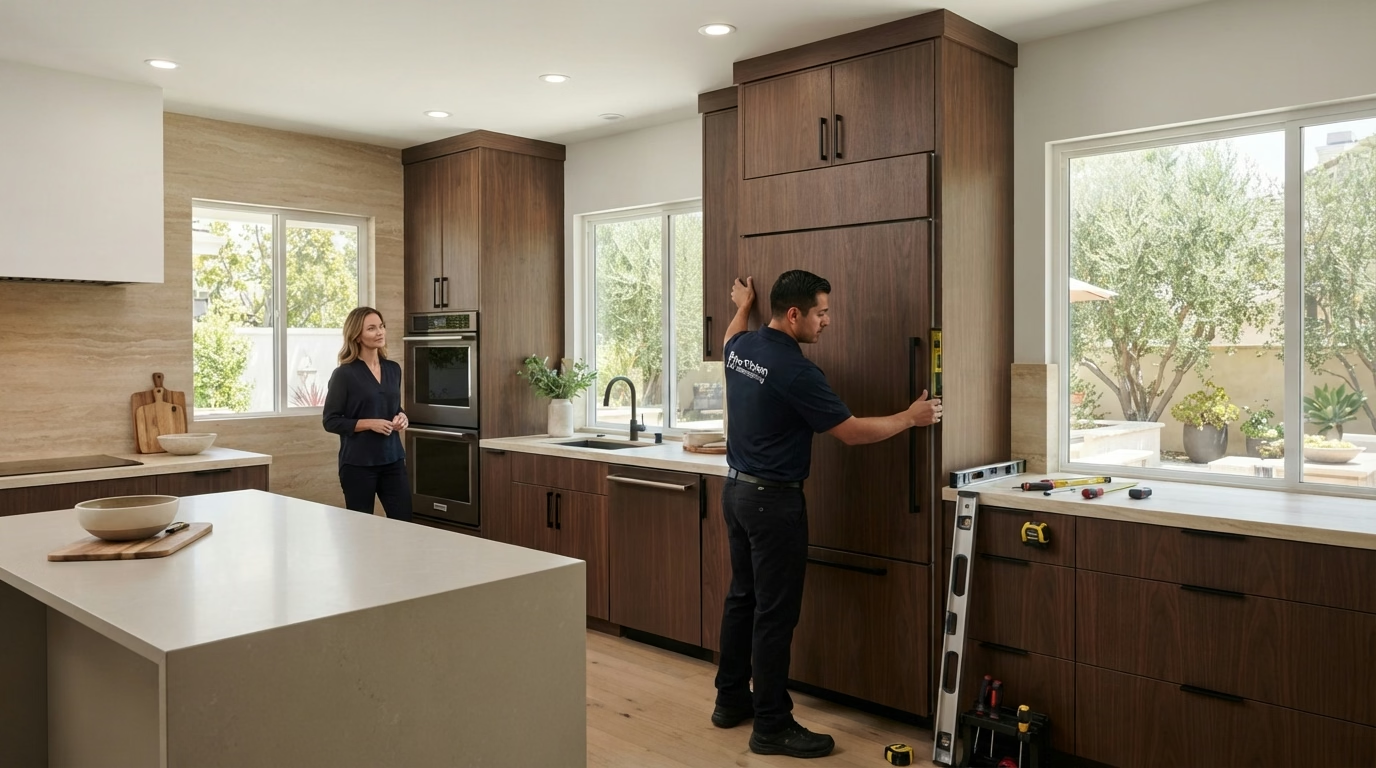
Panel-Ready & High-End Brand Installation
precise cabinet panels and manufacturer clearances.
Before You Order
Questions To Ask Before Appliance Installation
Gas Or Electric, Does It Matter For Installation?
Yes, gas appliances need a licensed line hookup and shutoff valve, while electric units need the correct voltage circuit confirmed before install.
Do I Need An Electrician For Appliance Installation?
Most built-in appliances need a licensed electrician to confirm circuit capacity and proper GFCI protection near water sources.
What If My Cabinets Don't Fit The New Appliance?
We can modify cabinet openings or recommend appliance sizes that fit your existing cabinetry without a full remodel. If you are updating storage too, see our kitchen cabinet installation options.
Should I Install Appliances Before Or After Countertops?
Appliances are typically set after countertop templating but before final countertop installation to confirm exact cutouts.
Check Fit And Clearance
Verify Appliance Dimensions Before Ordering or Installation
The size printed on an appliance listing is not always the size of the opening needed to install it. Check the manufacturer's installation guide for cabinet cutout dimensions, door swing, ventilation clearance and the position of power, water or gas connections. Built-in refrigerators and wall ovens may need additional room for airflow or access to a junction box. A dishwasher opening should be measured with the finished flooring and countertop height in mind.
Before scheduling installation, compare the model number against the actual kitchen measurements and confirm how the appliance will reach the room through doors, hallways or stairs. If a panel-ready refrigerator is planned, coordinate the cabinet panels and handles with the chosen appliance specification. Older cabinetry can sometimes be adjusted, but modification should be discussed before delivery. Checking these details early helps avoid a costly exchange or an appliance that fits the opening but cannot operate as intended.
Utility Hookup Checks
Check Gas, Electrical, Water and Venting Connections
Different kitchen appliances need different utility checks. A new range may require confirmation of the available electrical circuit or gas supply, while a dishwasher needs suitable water, drainage and electrical connections. Refrigerators with ice makers need a correctly placed water line. Range hoods must be planned around the equipment, duct route and relevant local requirements; a decorative hood is not automatically an adequate ventilation solution.
Ask a qualified installer to review the appliance specifications and existing connections before work starts. Changes to gas lines, new circuits or vent routing may require additional trades, approvals or inspections. Make sure the quote separates simple appliance placement from any building work needed to make the location ready. If cabinets or countertops are being replaced, utility placement should be coordinated before the surfaces are finished. That sequencing is often the difference between a smooth appliance installation and expensive rework.
Built-In Appliance Options
What Makes Panel-Ready Appliances Different?
Panel-ready appliances are designed to accept matching cabinet fronts, helping the refrigerator or dishwasher blend into the kitchen. They demand more planning than a freestanding appliance because cabinet panels, hinges, handle positions and manufacturer specifications have to work together. Some models use specific panel weights or attachment systems, so confirm compatibility before purchasing a door front or ordering custom cabinetry.
A built-in appliance may also require ventilation clearances that are not visible in a finished photograph. Check how the appliance can be serviced later and whether the installation leaves access to required connections. If you are updating the entire kitchen, choose the appliance models early enough that the cabinetmaker can work from final technical drawings. For a replacement project, compare the new model's cutout requirements with the existing opening rather than assuming the old appliance's dimensions will be identical. Proper planning helps avoid delays and damage to freshly finished cabinets.
Installation Day Guide
What Should Happen on Appliance Installation Day?
Before installation, clear the access route and confirm who is responsible for moving the existing appliance, protecting floors and removing packaging. The installer should have the exact model information and any required mounting parts. For built-in units, confirm that cabinet openings and finish panels are ready. Do not assume haul-away or plumbing changes are included unless they appear in the written scope.
After installation, check that doors open without hitting nearby cabinets, that the appliance is level and secured as required, and that accessible connections show no leaks. Test appropriate functions using the manufacturer's startup instructions. Keep product documents, model numbers and any relevant installation records together for warranty questions. A short handover covering controls, cleaning and ventilation needs helps the homeowner use the appliance safely. If installation requires a licensed trade or inspection, confirm those arrangements before accepting the job as complete.
Our Kitchen Appliance Installation Process
From measuring your cabinet openings to the final function test, every appliance installation follows the same careful process.
Plan My Appliance InstallationConsultation & Measurement
We confirm appliance sizing, cabinet openings, and utility locations.
Utility & Electrical Check
Gas lines, water lines, and circuits are inspected or upgraded as needed.
Delivery Coordination
We coordinate appliance delivery timing with your installation date.
Professional Installation
Licensed trades install, level, and connect every appliance to code.
Testing & Walkthrough
We test every function with you before considering the job complete.
Why Homeowners Choose Us
What Makes Our Appliance Installation Service Different
CSLB Licensed, Bonded & Insured
Every appliance installation runs under our active general contractor license.
We Pull Every Required Permit
Gas line and electrical permits are filed and inspected on your behalf.
Gas & Electrical Done to Code
Licensed trades handle every connection to code.
Transparent, Itemized Quotes
You see labor and material costs broken down before we start.
One Point Of Contact, Start To Finish
A single project manager tracks delivery, install, and inspection.
Workmanship Warranty On Every Job
Our installation labor is backed by a written warranty.
Recent Appliance Projects
Kitchen Appliance Projects Completed Across Orange County
A look at recently finished kitchens in neighborhoods near you.

1420 Bayview Ave
Newport Beach, CA
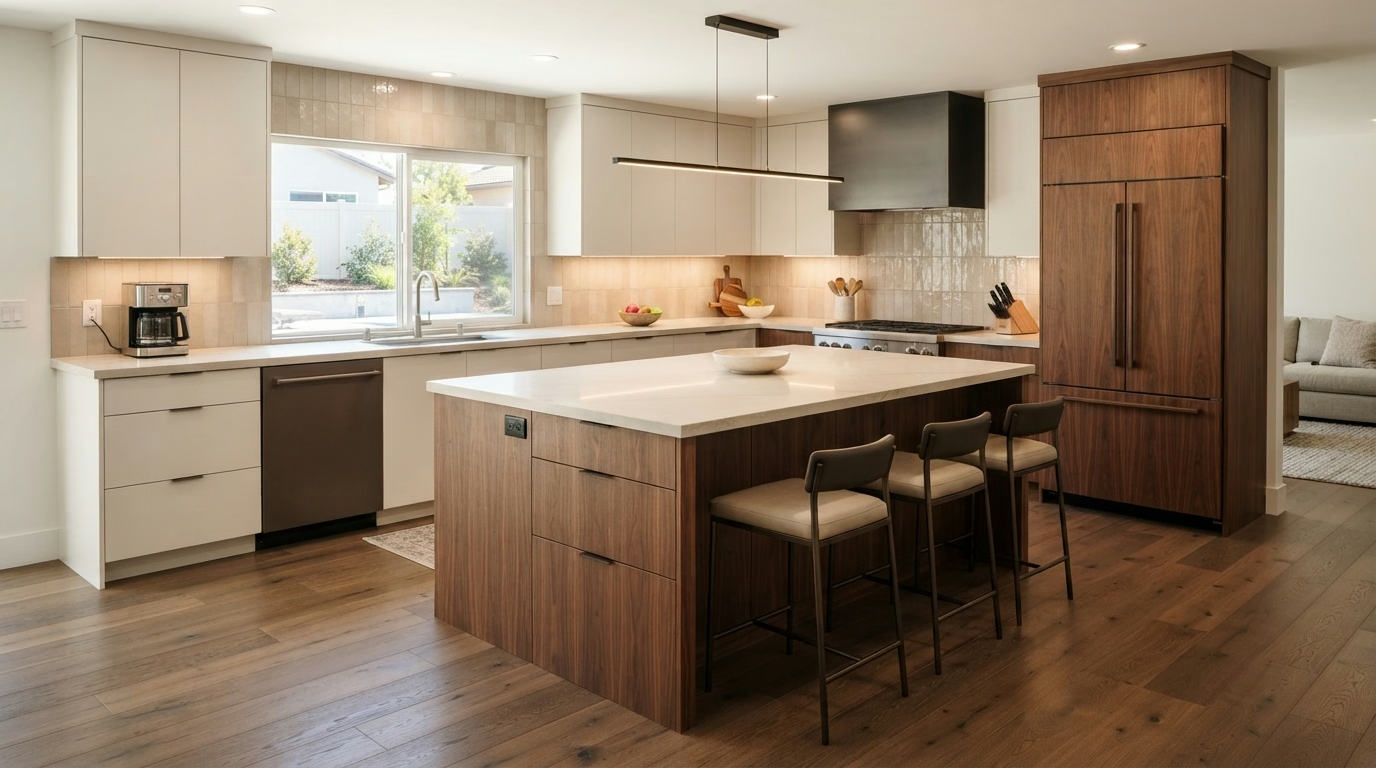
88 Sundance Ln
Irvine, CA
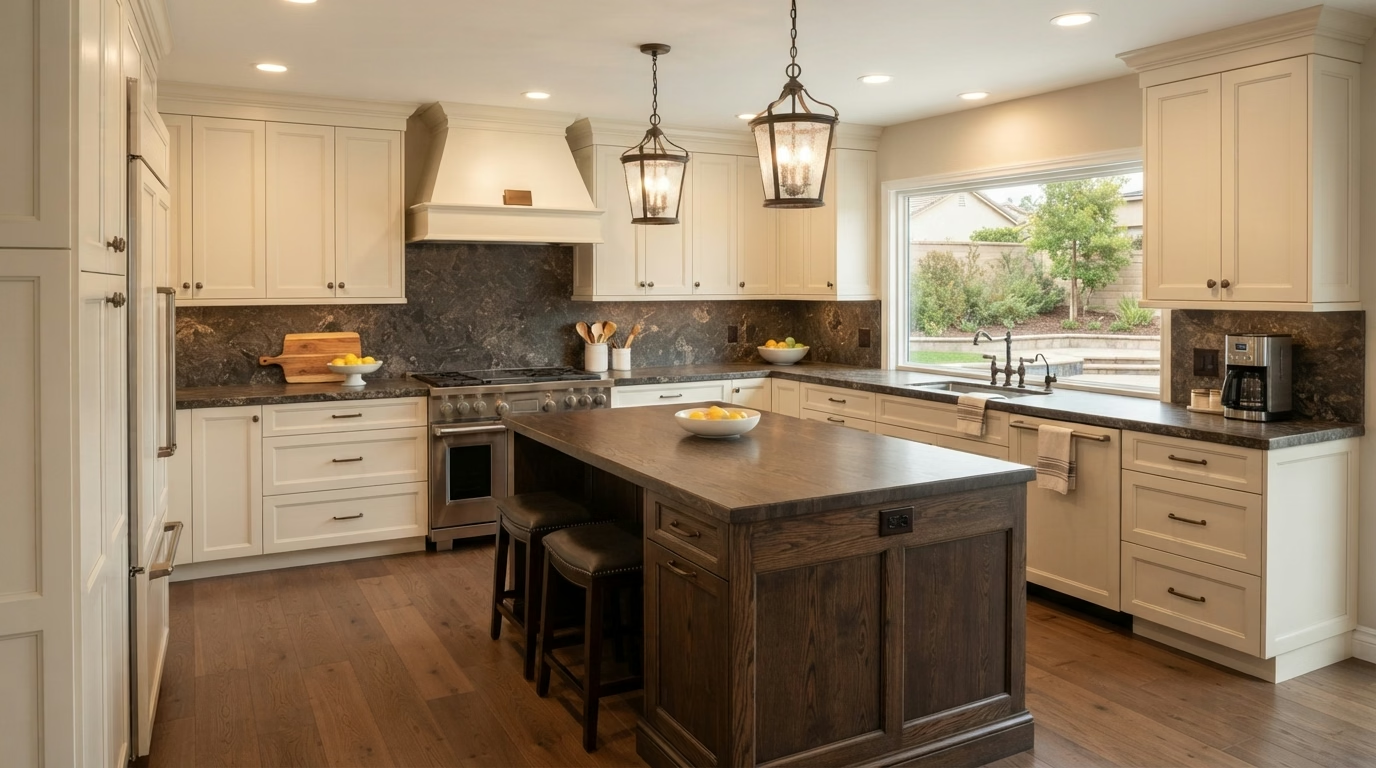
2217 Park Vista Dr
Anaheim Hills, CA
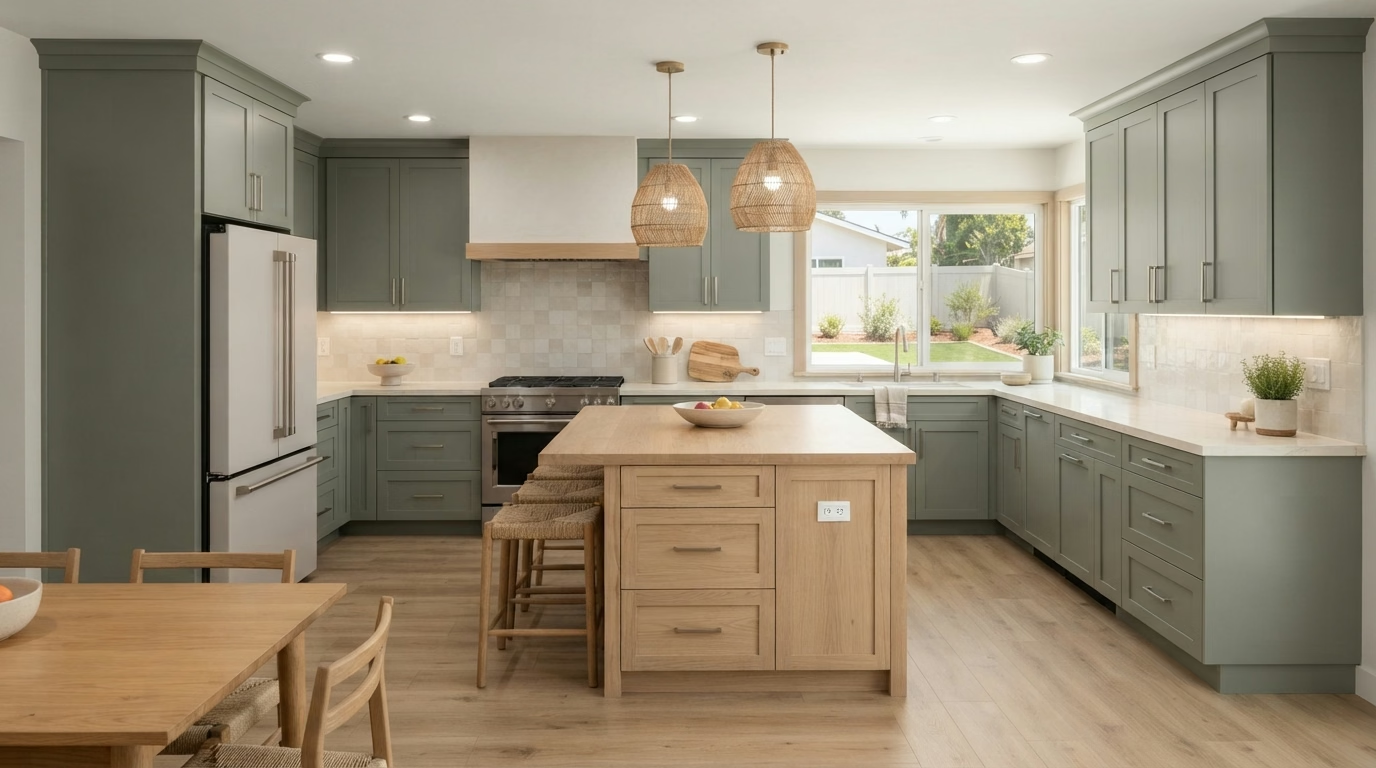
541 Ocean Breeze Ct
Huntington Beach, CA

3305 Vista Grande
Mission Viejo, CA

19 Rue Fontaine
Laguna Beach, CA
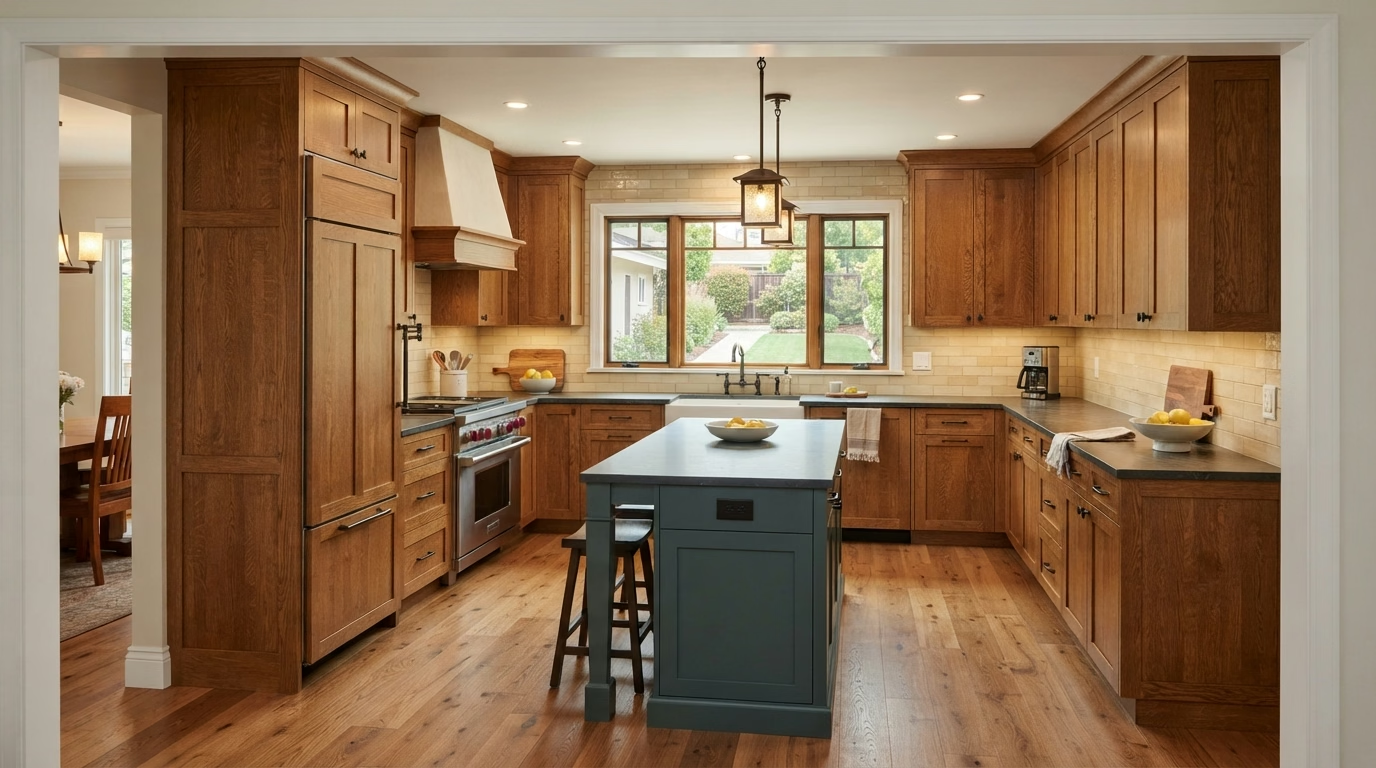
1180 Chapman Ave
Orange, CA

402 Wilshire Terrace
Fullerton, CA
1420 Bayview Ave
Newport Beach, CA
88 Sundance Ln
Irvine, CA
2217 Park Vista Dr
Anaheim Hills, CA
541 Ocean Breeze Ct
Huntington Beach, CA
3305 Vista Grande
Mission Viejo, CA
19 Rue Fontaine
Laguna Beach, CA
1180 Chapman Ave
Orange, CA
402 Wilshire Terrace
Fullerton, CA
Appliance Homeowner Feedback
What Orange County Homeowners Are Saying
Real feedback from real kitchen remodels across Orange County.
“Our galley kitchen finally works for our family. The team handled the permit with the city and never missed a deadline.”
Karen D.
Irvine, Orange County
“The waterfall island turned out better than the rendering. Clean job site every single day, which mattered with two kids at home.”
Marcus T.
Newport Beach, Orange County
“We compared four contractors. Pro Kitchen Remodeling was the only one who explained Title 24 without us having to ask.”
Priya S.
Anaheim, Orange County
“Cabinet quality is noticeably better than our old builder-grade boxes. Soft-close everything, and it still closes perfectly a year later.”
Dave & Linda M.
Huntington Beach, Orange County
“They found a plumbing issue behind our old cabinets before it became a bigger problem. Saved us real money down the road.”
Alicia R.
Mission Viejo, Orange County
“One project manager for the entire remodel. I never had to chase down an electrician or a tile guy myself.”
Brian K.
Costa Mesa, Orange County
“Our small kitchen now feels twice the size. The layout plan they proposed was smarter than anything we had thought of.”
Sophie L.
Tustin, Orange County
“Pricing was itemized down to the hinge. No surprise invoice at the end, which is rare in this industry.”
James O.
Yorba Linda, Orange County
Where We Install Appliances
Our Appliance Installation Service Areas
Local crews, local permit knowledge, and fast scheduling in every community below.
Related Kitchen Services
Our Other Kitchen Services You Also Get
Get Your Free Kitchen Appliance Installation Estimate
A licensed technician will confirm your utility requirements and provide an itemized appliance installation quote.
- Free in-home consultation
- Itemized, transparent pricing
- Licensed & insured, CSLB verified
Request an Appliance Consultation
Share your appliance models and kitchen layout and we will reply within one business day.
Common Appliance Questions
Kitchen Appliance Installation FAQs

How much does kitchen appliance installation cost in Orange County?
Appliance installation typically ranges from $150 to $800 per unit depending on complexity and any required gas or electrical work.
Do you install all kitchen appliance brands?
Yes, we install all major and panel-ready appliance brands, including high-end and professional-grade lines.
Can you handle both gas and electric appliance connections?
Yes, licensed trades handle both gas and electric appliance connections safely and to code.
Do I need a permit to install a kitchen appliance in Orange County?
New gas lines, dedicated circuits, or ventilation changes typically require a permit, which we manage for you.
How long does a typical kitchen appliance installation take?
Most single-appliance installs take a few hours, while a full appliance package typically takes one to two days.
Do you remove and haul away the old appliance?
Yes. Removal and disposal can be included in your itemized quote, so you can see it as a separate line.
What's the difference between a freestanding and built-in appliance installation?
Freestanding units simply slide into place, while built-in appliances require precise cabinet cutouts and secure mounting.
Do you install over-the-range microwaves and range hoods?
Yes, including the ventilation ductwork required to exhaust properly to the exterior of your home.
Are you licensed and insured to install kitchen appliances in California?
Yes, we hold an active CSLB general contractor license and full insurance coverage on every installation.
What areas of Orange County do you serve?
We install kitchen appliances in every Orange County city, including Irvine, Anaheim, Santa Ana, and Newport Beach.
Do kitchen appliances need dedicated electrical circuits?
Many large appliances, such as ranges, ovens, dishwashers and microwaves, are installed on dedicated circuits to prevent tripped breakers. We check circuit capacity before delivery day so there are no surprises.